Sunlit Spaces: Fred's Painting Tips for Enhancing Natural Light in Any Room Jul 11, 2026
Understanding the Science of Light
Before diving into painting tips, it's crucial to understand how light interacts with colors in a room. Light reflects off surfaces, magnifying or diminishing the color’s perceived intensity. Light colors tend to reflect more light, creating a sense of openness, while darker shades absorb light, making rooms feel cozier but potentially more constrained.
Choosing the Right Paint Colors
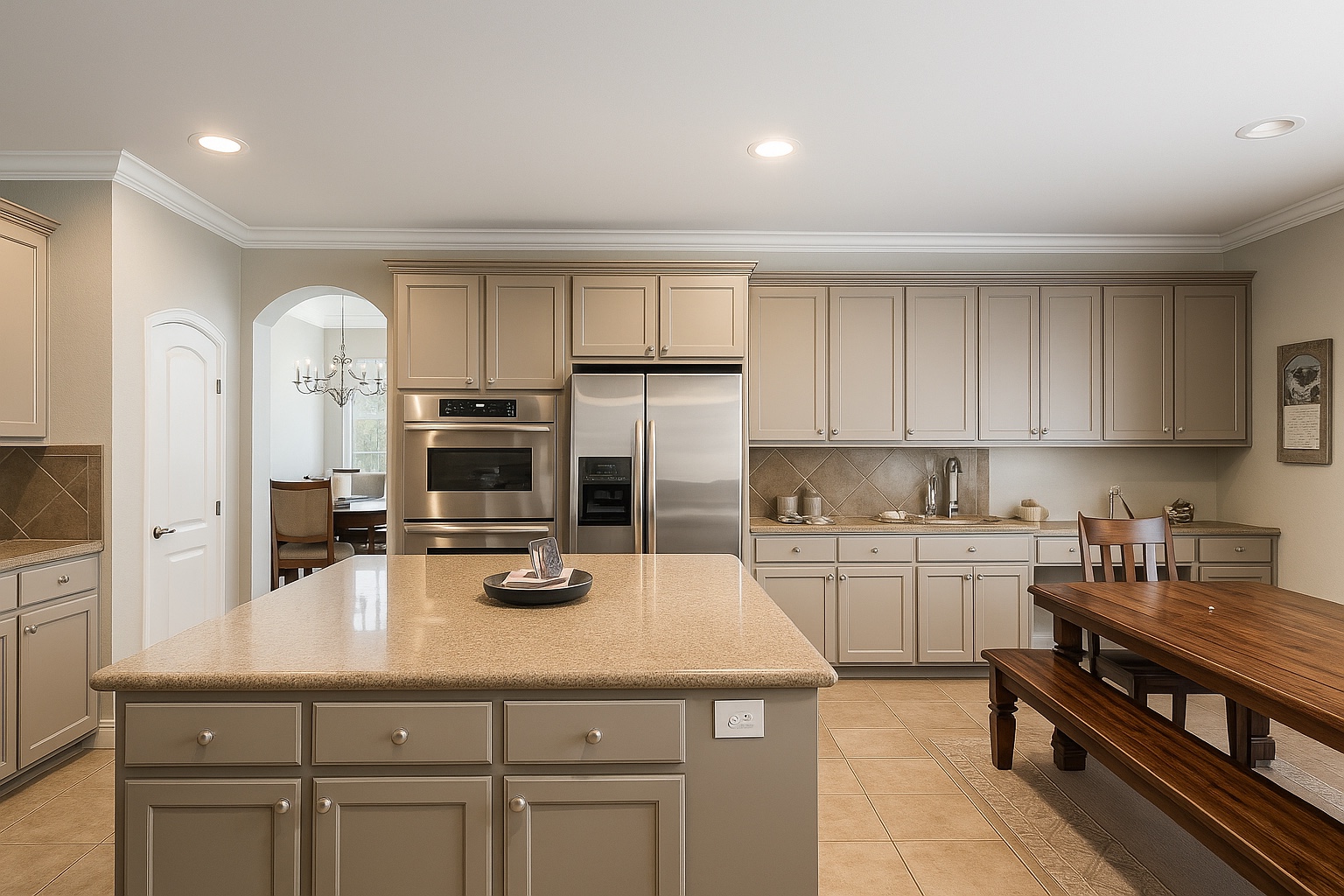
For rooms craving more daylight, Fred's Painting suggests opting for light, neutral colors. Shades like soft whites, beiges, and pale greys can maximize reflectivity, allowing the smallest sunlight to bounce around the room. These hues can brighten a dim space and create a seamless, airy flow between different areas. If you prefer a hint of color, consider pastel shades. Soft blues, greens, or peaches can introduce warmth and interest without overwhelming the natural light.
Harnessing the Power of Contrasts
Strategic contrasts can also work wonders. By pairing light walls with darker accents, such as a navy feature wall or rich mahogany trims, you can add depth without compromising the overall brightness. This technique is especially effective in rooms with large windows or ample sunlight, as it enhances both the color contrast and the perception of natural light.
Optimizing Paint Finishes
The type of paint finish can significantly influence light distribution. High-gloss finishes reflect more light and are ideal for areas where you want to boost brightness. Use them sparingly to avoid excessive glare, perhaps on a single accent wall or along decorative moldings. Satin and semi-gloss finishes also offer a subtle yet effective way to reflect light while being durable enough for high-traffic areas such as hallways and kitchens.
Clever Use of Mirrors
Mirrors are a painting’s best friend when it comes to amplifying light. Placing a large mirror opposite a window not only reflects light but also adds a sense of spaciousness. Fred's Painting recommends using mirrored accessories, like glass-front cabinets or mirrored doors, to channel sunlight into dim corners.
Incorporating Metallics
Incorporating metallics into your interior design is another smart tactic. Metallic elements like light fixtures, frames, or decorative pieces catch the light, adding sparkle and illumination to any room. A quality gold or silver paint on smaller furniture items can complement the wall color and enhance the overall glow.
Concluding Thoughts on Light Optimization
Enhancing natural light with thoughtfully chosen paint colors and finishes can redefine your living space. The experts at Fred's Painting emphasize that while paint is key, the balance of color, contrast, and materials can elevate the effect of natural light.
By implementing these simple, effective strategies, you can transform your home into a brighter, more welcoming environment. Whether you're refreshing a single room or your entire home, remember that the right paint choices can unlock the full potential of your living spaces. For personalized advice and professional painting services, Fred's Painting is always ready to help craft the perfect atmosphere tailored to your needs.
/filters:no_upscale()/filters:format(webp)/media/9e1f193c-21e6-4bf8-88f4-badc7720d47c.png)
/filters:no_upscale()/filters:format(webp)/media/4ba7371b-5c86-4125-a862-cdad3e330932.jpeg)